The years of the Great Patriotic War are an important period for Russian and world history; not only everyday life changed, but also sports life. On the 80th anniversary of the Victory we will tell you about the role of sports in the period of battles and remember the heroes of the country, their valiant feats and key events that brought the memorable May day closer.
Among the volunteers who went to the front in the summer of 1941, there were sportsmen and coaches, but the physical education of Russian citizens still continued to develop in the rear of the country. Even in the first months of the war, a number of competitions were held in bombarded Moscow: the Ball Hockey Cup, speed skating competitions, as well as an open chess championship for the city championship. However, in the first six months of the war, the competitions went on the back burner, the citizens of the USSR were hard at work forging victory on the home front.
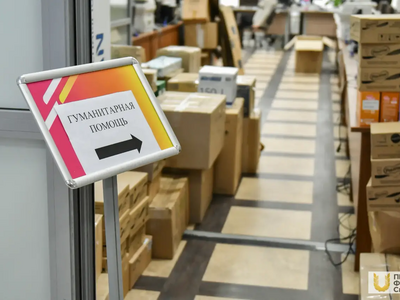
Under the slogan “Everything for the front! All for the victory over fascism!” athletes and physical trainers who had not been drafted into the army not only worked hard on the home front: collecting humanitarian aid for soldiers, growing bread and vegetables, forging weapons, but also prepared people for the harsh military conditions. They organized and conducted paramilitary sports events that developed skills in fighting with and without weapons, as well as running and swimming. From June to November 1941, 5000 people took part in such competitions.
The girls athletes were not left out either. They also did everything for the sake of victory. One of the main directions of their activity was medical science and medicine. Representatives of the national teams also became nurses. Also the best pre-war sportswomen headed many physical training and sports organizations, when their leaders went to the front to defend the country.
Employees for hospitals where wounded soldiers were treated and rehabilitated were also needed. Thus, the Committee for Physical Culture and Sports organized courses in therapeutic gymnastics for physical education teachers, who later helped the front-line soldiers to recover from the battles and return to the front line.
Despite the difficult times, people could not stay in tension all the time - sports helped to distract and return to peaceful life. Gradually, full-fledged competitions began to be held: first city and then regional. They were attended not only by the sportsmen who remained on the home front, but also by volunteers, who then made sports an integral part of life. Despite the Nazi bombardment, the citizens of the USSR honored and preserved sports traditions.
According to the materials of the National Electronic Library
Photo: Russian Union of Martial Arts